Quick Answer
If you are looking for the best Arthas build in HOTS and how to actually control fights with him, this guide breaks it down in a practical, real-match way. Arthas is a slow, punishing frontline tank who shines by locking melee heroes in place, grinding value over time, and making short-range comps miserable.
This guide covers the best Arthas build, gameplay tips, and real-match decision making to help you win more games.
Arthas is not the fastest or flashiest tank in Heroes of the Storm, but he does not need to be. His power comes from presence. Once he gets into the right part of the fight, the whole battle changes temperature. People stop moving the way they wanted to move. Melee heroes stop looking brave. Fights stop feeling clean. That is when Arthas starts to feel like Arthas.
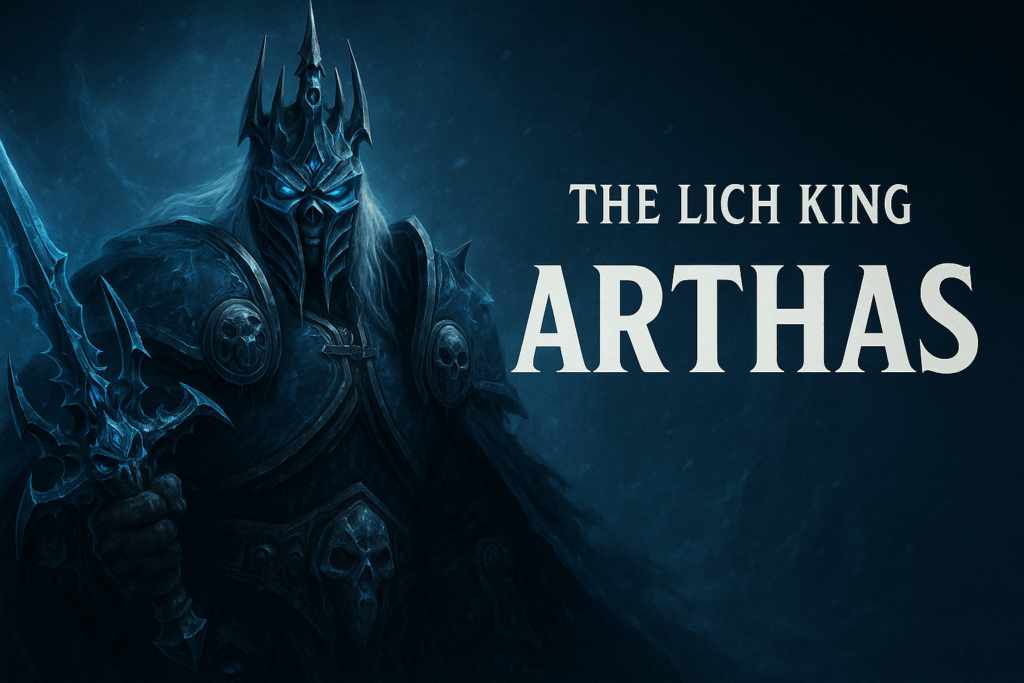
Hero Identity and Role Breakdown
Arthas is all about area denial and anti-melee pressure. He does not dive like Anub'arak or combo like Diablo. He walks forward, plants himself in the fight, and makes enemy movement feel terrible. Against heroes who want to stick on your backline, that is often exactly what your team needs. He is the kind of tank who does not shout for attention. He just keeps taking away space until the enemy realizes there is nowhere comfortable left to stand.
His weakness is obvious too. If the enemy outranges him and never has to step into his zone, he can feel much less threatening. He is also less forgiving when fights move quickly from one side of the screen to the other. Arthas is strongest in committed brawls where his sustained slows and tankiness have time to matter.
Arthas Abilities Explained
Frostmourne Hungers (Trait) gives empowered attacks and mana return. Howling Blast (Q) is your root and setup tool. Frozen Tempest (W) is the heart of the hero, slowing enemies around you and draining mana to maintain control. Death Coil (E) gives either self-sustain or ranged pressure depending on the target. Army of the Dead gives huge sustain in drawn-out fights, while Summon Sindragosa adds macro pressure and objective denial.
How to Play Arthas (Step-by-Step)
- Identify whether the enemy team actually has heroes that need to stand near you to function.
- Use Howling Blast to punish movement or set up your team's damage.
- Keep Frozen Tempest on when enemies are trapped in your zone, not mindlessly at all times.
- Walk into the space melee heroes want to occupy and make them fight through your slows.
- Use your heroic based on whether the game needs survivability or objective pressure.
How to Play Arthas Effectively
The key with Arthas is accepting that you do not need to force every fight. A lot of his value comes from making enemy melee heroes hate their own engage. If Illidan, Butcher, Samuro, or bruisers want to play in your space, Arthas is excellent because he turns their preferred range into a bad place to be. Against the right draft, this completely shuts down melee comps by itself. They want to stick, chase, and overwhelm. Arthas makes all three of those things feel slow, expensive, and awkward. When he is in the right spot, the fight starts to feel like it is happening on his terms even before anyone dies.
He also rewards patience with cooldowns. Howling Blast is not just poke. It is your moment of commitment. If it roots the right target at the right time, the fight becomes much easier. Frozen Tempest is similar. Good Arthas players do not run it forever on empty space. They turn it on when enemies are actually stuck near them and turn it off when the value is gone. When this timing is clean, Arthas wins fights by himself in the sense that he turns the enemy's best engage window into a terrible one. That is where the hero starts to feel oppressive rather than just durable.
Army of the Dead is the forgiving heroic. Sindragosa is the pressure heroic. Both are viable, but they ask for different game states. If you are newer to Arthas, the easiest rule is simple: if the enemy must brawl into you, Army is the safer answer; if your team is already taking space and wants to snowball structures or objectives, Sindragosa often hits much harder. Mastering this mindset alone will already make you more impactful than most Arthas players.
Best Arthas Builds (Level 1 to 20)
Rime at level 1, Deathlord at level 4, Immortal Coil at level 7, Army of the Dead at level 10, Shattered Armor at level 13, Frostmourne Feeds at level 16, and Legion of Northrend at level 20.
Gameplay Focus - Sustain Frontline Control
This is the build for long fights where Arthas wants to stay planted in the middle of everything and never really leave. Army of the Dead turns him into a much harder wall to remove, and the surrounding talents help him keep pressure going. This is the version of Arthas that feels like a frozen anchor in the center of the fight. The enemy team can start on him, commit through him, or try to run around him, but none of those options feel comfortable once he settles into the right spot. It is the build that makes opponents feel like they are fighting knee-deep in ice while your team gets to swing freely around them.
What makes this build so strong in real matches is that it rewards exactly what Arthas already wants to do well. Rime and Immortal Coil make his basic survivability more reliable, Shattered Armor helps your team punish anyone trapped in your zone, and Frostmourne Feeds gives him more staying power in the kind of grindy objective fights where he shines. Army of the Dead is the moment where the enemy finally thinks they have burned you down and then realizes the fight still is not over. That swing wins a lot of shrine fights, immortal races, and late-game choke battles almost by itself.
This path is especially brutal into drafts that cannot help but fight inside your aura. If the enemy frontline and melee carries have to keep stepping into Frozen Tempest to reach your backline, this build slowly crushes them. It does not need flashy outplay. It just keeps making the enemy team pay rent every second they stay too close.
In short, this build is best when the enemy wants committed brawls, your team needs a tank who thrives the longer the fight lasts, and you want Arthas at his most oppressive anti-melee form.
Alternative Arthas Build (Level 1 to 20)
Eternal Hunger at level 1, Frost Presence at level 4, Icebound Fortitude at level 7, Summon Sindragosa at level 10, Frost Strike at level 13, Remorseless Winter at level 16, and Absolute Zero at level 20.
Gameplay Focus - Objective and Macro Pressure
This version of Arthas leans into shutdown value around structures, pushes, and objective moments. Sindragosa can create huge map pressure if used at the right time and makes already winning positions much easier to snowball. This build feels less like a pure brawl wall and more like a relentless siege problem that shows up exactly when the enemy thought they still had time to stabilize. It has a different mood to it. Less “I outlast you here,” more “I freeze the whole map long enough for your defense to collapse.”
The real strength here is context. On maps where one won fight turns into major structural damage, Sindragosa adds a layer of punishment that many teams are not ready for. Frost Presence and the later control talents also make your roots and slows more threatening, so even before the heroic lands, the enemy already has to respect your setup more carefully. In real games, this is the Arthas build that turns a small positional win into a fort, a keep, or a completely lost objective defense.
It also gives you a cleaner answer when the game is not purely about surviving forever in the middle of the fight. Sometimes you do not need to outlast. Sometimes you need to break the map open, shut off a structure line, or force the enemy to respond while your team takes the real prize somewhere else. That is where this build feels excellent.
In short, this build is best when objective control, structural pressure, and snowballing map advantage matter as much as raw teamfight sustain.
Real Match Situations
The enemy melee carry finally dives your backline. That is where Arthas shines. One root and one slow field can make their dream engage feel awful.
The fight drifts away from your zone before your cooldowns matter. This is one of Arthas's hardest moments, and it is why positioning before the fight starts matters so much on him.
Your team is winning objective control, but the enemy still has a fort line to hide behind. Sindragosa can turn that small lead into real map damage very quickly.
One Thing to Know
Arthas does not need to chase the fight. He needs to make the fight happen where he is standing.
What Changes Through the Match
Early game Arthas is about lane presence and punishing melee oversteps. Mid game is where heroic choice starts defining whether he is a sustain wall or an objective pressure tool. Late game, his slows become incredibly oppressive in tight fights, but only if he starts in the right spot and the enemy cannot kite him forever.
Advanced Tips
Do not leave Frozen Tempest on mindlessly. Manage the mana around real pressure. Arthas gets a lot stronger when his aura is active during the exact seconds enemies are trapped near him, not when he is simply jogging around the map draining mana for free. Good Arthas players are always asking whether the slow is doing real work right now.
Howling Blast is more threatening when the enemy has to walk into it. Casting it directly at a moving target is sometimes fine, but it becomes much nastier when you place it where their path naturally wants to go. In real fights, that often means aiming not at where they are, but at the choke, exit, or backstep they are about to choose.
Arthas loves narrow space. Chokes and objective pits often do half your job for you. The closer the fight is forced together, the more likely Arthas is to get full value from every slow, every root follow-up, and every second of Frozen Tempest. If you can choose where the fight happens, choose the place where enemies cannot easily spread.
Death Coil on yourself at the right time can save an entire fight. This sounds simple, but the timing matters a lot. Holding it for the second where the enemy thinks you are finally breaking often buys just enough health for your healer, your trait pressure, or your heroic to flip the trade completely.
Limitations
Arthas is excellent into the right kind of aggression, but he can feel clunky into very mobile or highly ranged teams that never have to stand near him. He also depends on proper fight positioning more than many tanks do. If the fight starts somewhere bad for Arthas, it can take him too long to matter. He is powerful, but he needs the battle to happen in the right kind of space.
FAQ
Is Arthas good in solo queue? He can be very good when the enemy draft has multiple melee heroes or divers who have to commit into him.
When should I take Army of the Dead over Sindragosa? Take Army when you need to live through long brawls. Take Sindragosa when map pressure and objective control matter more.
Why do I feel useless on Arthas sometimes? Usually because the enemy never had to fight in your zone or you arrived too late to where the fight really mattered.
Is Arthas a main tank or off tank? He can do either depending on draft, but he feels best when the enemy comp actually has to respect his area control.
What improves Arthas the fastest? Learning to value positioning before the fight more than chasing during it.
Related Guides
If you enjoy tanks that punish melee heroes, also check our Johanna guide, Blaze guide, and Mei guide.
Final Thoughts
Arthas is one of the best tanks in HOTS for players who like slow, crushing control instead of flashy movement. He does not win by making the fight louder. He wins by making the fight colder, tighter, and harder to survive on the enemy's terms. If you master these fundamentals, Arthas becomes one of the most oppressive anti-melee frontliners in the game.