Quick Answer
If you are looking for the best Mal'Ganis build in HOTS and how to actually survive and disrupt fights with him, this guide breaks it down in a practical, real-match way. Mal'Ganis is a sustain tank who thrives in long fights, chaining disruption, sleep, and self-healing until the enemy team loses control of the brawl.
This guide covers the best Mal'Ganis build, gameplay tips, and real-match decision making to help you win more games.
Mal'Ganis feels amazing when you like being annoying in exactly the right way. He is slippery, draining, and awkward to focus, and he often wins by outlasting enemy confidence more than by instantly deleting anyone.
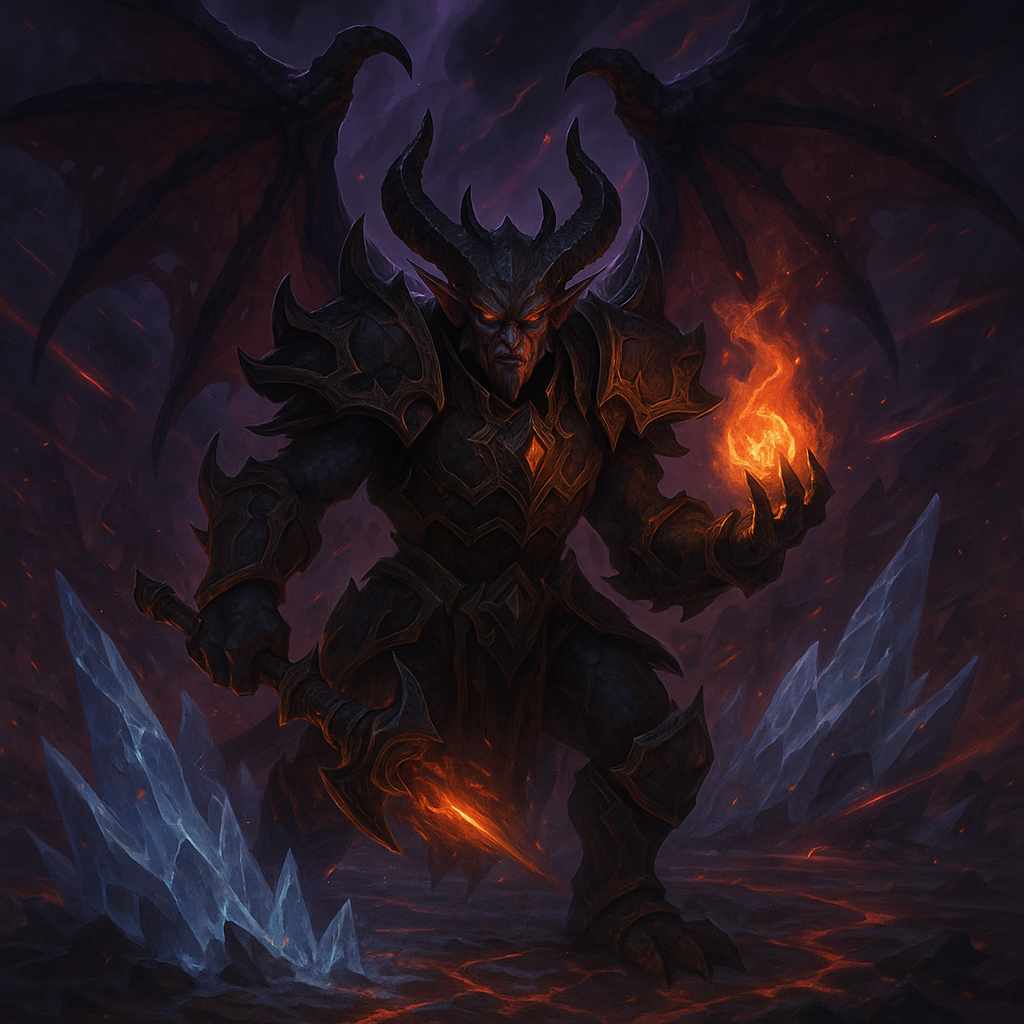
Hero Identity and Role Breakdown
Mal'Ganis is a frontline disruptor who gets stronger the longer the fight stays messy. He is excellent at breaking up enemy rhythm, punishing clustered movement, and turning sustained combat into his own kind of resource advantage. Unlike more explosive tanks, he rarely needs the perfect opening to matter.
He does, however, suffer when he is forced into clean burst windows or when the enemy team can kite him without ever really fighting him. He is strongest in games where his sustain, crowd control, and awkward positioning value have time to stack up.
Mal'Ganis Abilities Explained
Vampiric Touch (Trait) gives the hero his signature sustain identity. Fel Claws (Q) provides repeated slashes and disruption. Night Rush (W) threatens sleep and makes the enemy constantly respect your angle. Necrotic Embrace (E) adds armor and helps you survive while applying pressure. Carrion Swarm keeps you alive while repositioning through the fight, and Dark Conversion can completely swing a duel or punish one target hard.
How to Play Mal'Ganis (Step-by-Step)
- Look for sleep angles before you commit your full body.
- Use Fel Claws to create layered disruption instead of random damage.
- Turn on your defenses before the enemy burst lands, not after.
- Pick the heroic that matches whether you want brawl sustain or single-target swing.
- Stay in the fight long enough for your sustain to matter, but not so long that you overstay alone.
How to Play Mal''Ganis Effectively
The real trick with Mal''Ganis is understanding that he does not need to win the fight immediately. He wins by making the fight ugly. Sleep angles, repeated disruption, and vampiric sustain all wear enemy teams down over time, especially if they panic their cooldowns trying to finish him. When Mal''Ganis is played well, he feels like the kind of problem that never leaves the screen. He is in your path, in your backline''s head, and somehow still alive when the fight should have ended already.
Night Rush is where a lot of the hero''s real threat comes from. Sometimes landing the sleep is perfect. Sometimes just threatening it makes the enemy reposition badly and gives your team the opening anyway. That is part of why Mal''Ganis feels so slippery. He can create pressure before the actual commit happens. That pressure wins fights because people stop focusing on the right targets and start playing around the nightmare they think is coming.
Carrion Swarm is the safer, brawl-oriented heroic. Dark Conversion is nastier when one target can be punished hard. If you are newer to the hero, keep the rule simple: pick the heroic that makes the fight messier for the enemy and cleaner for you. Mastering this mindset alone will already make you more impactful than most Mal''Ganis players.
Best Mal''Ganis Builds (Level 1 to 20)
Vampiric Aura at level 1, Echo of Doom at level 4, Will of Tichondrius at level 7, Carrion Swarm at level 10, Spreading Plague at level 13, Blind as a Bat at level 16, and Wrath of Nathreza at level 20.
Gameplay Focus - Eternal Brawler
This build pushes Mal''Ganis into his best long-fight form. It rewards staying active in the middle of the fight, layering disruption, and surviving long enough for the enemy to run out of clean answers. This is the version of Mal''Ganis that makes one fight feel like two, because he keeps stretching the brawl well past the point where the enemy wanted it to end.
What makes this build so strong in real matches is how naturally the talents stack toward sustained misery. Vampiric Aura and Will of Tichondrius keep your sustain meaningful, Echo of Doom and Spreading Plague make your disruption harder to ignore, and Carrion Swarm gives you the reset button that turns a dangerous all-in into another round of pressure. Once Blind as a Bat and Wrath of Nathreza arrive, the hero becomes much harder to focus cleanly.
This is the build that wins fights by draining structure out of them. The enemy wants a clean burst sequence, but Mal''Ganis keeps adding one more sleep angle, one more body block, one more self-heal, and eventually the whole fight collapses into chaos where he thrives. Against teams that hate extended brawls, it feels oppressive.
In short, this build is best when the game is likely to be a sustained brawl instead of one fast combo exchange.
Alternative Mal''Ganis Build (Level 1 to 20)
Winged Guard at level 1, Fueled by Torment at level 4, Black Claws at level 7, Dark Conversion at level 10, The Night Beckons at level 13, Plague Bats at level 16, and Alone in the Dark at level 20.
Gameplay Focus - Anti Dive and Single Target Swing
This build is sharper and more punishing. Dark Conversion gives you a way to flip one important target or survive a dive window that would have otherwise looked dangerous. It is the version of Mal''Ganis that turns one overeager enemy into the center of a nightmare.
In real games, this path shines when one diver, bruiser, or frontliner matters enough to justify direct punish value. Winged Guard and Fueled by Torment help you survive the first contact, Black Claws and The Night Beckons add better punish pressure, and Dark Conversion can instantly flip the fight if the enemy thought they had a clean health advantage. Once Alone in the Dark is online, the sleep threat becomes even more oppressive around isolated targets.
This is the build that wins fights by making the enemy''s strongest commit feel unsafe. They finally go in, you live through it, and suddenly the target they expected to kill is still standing while their own health bar becomes the problem. That reversal creates some of Mal''Ganis''s nastiest real-match moments.
In short, this build is best when one diver or one key target matters enough to justify more direct punish value.
Real Match Situations
The enemy team is grouped for an objective and slowly edging forward. Mal'Ganis loves this because every sleep threat and every repeated claw chain becomes harder to dodge.
The enemy dive commits onto your backline all at once. This is where his disruption really shines. Sleep and repeated control can make that engage fall apart quickly.
You survive the first burst and the enemy still has not killed you. That is often the turning point on Mal'Ganis. If he lives long enough, the fight starts to favor him.
One Thing to Know
Mal'Ganis is dangerous because the fight keeps getting worse for the enemy the longer he stays alive in it.
What Changes Through the Match
Early game Mal'Ganis is about finding clean skirmish pressure and surviving trades well. Mid game is where heroic choice starts defining his biggest swing moments. Late game, his disruption becomes terrifying in cluttered fights, but he still needs discipline because overcommitting alone can get punished hard.
Advanced Tips
Threatening sleep is often as useful as landing sleep. If enemies start sidestepping, delaying, or splitting awkwardly because Night Rush might come through, you are already winning space. Mal''Ganis gets a lot of hidden value from the fear of the engage, not just the engage itself.
Do not overlap every disruption tool at once. It is tempting to dump the whole kit because the hero feels great in chaos, but layered control is much nastier than simultaneous control. If you stagger sleep, claws, and heroic value, the enemy spends much longer trapped in an ugly fight state.
Your sustain matters more when the fight stays messy. Mal''Ganis is not trying to create a neat burst trade. He wants bodies close, cooldowns scrambled, and target focus slipping. The more broken the rhythm of the fight becomes, the more your healing and repeat disruption start to outscale what the enemy expected.
Dark Conversion is strongest when the target cannot simply walk away or get instantly saved. Use it when the escape path is awkward, the support is busy, or the victim is already stuck in close quarters. That is when the heroic stops being cute and starts feeling brutal.
Limitations
Mal'Ganis can feel oppressive in long fights, but he definitely has games where the enemy draft keeps him honest. Heavy kiting, clean burst chains, or teams that refuse to brawl on his terms can reduce his value sharply. He also depends on repeated fight presence, so if he gets controlled or isolated too early, his biggest strength never has time to matter.
FAQ
Is Mal'Ganis good in solo queue? Yes, especially in games where teams naturally take longer, sloppier fights.
When should I take Carrion Swarm over Dark Conversion? Take Carrion Swarm when you need stronger brawl survivability. Take Dark Conversion when you want a nastier single-target swing.
Why do I die before my sustain matters? Usually because you committed too early or without enough support around you.
Can Mal'Ganis peel well? Yes. He is often underrated as an anti-dive tank because of his layered disruption.
What improves Mal'Ganis the fastest? Better sleep discipline and better patience in the first few seconds of a fight.
Related Guides
If you enjoy sustain-heavy tanks, also check our Blaze guide, Arthas guide, and Mei guide.
Final Thoughts
Mal'Ganis is one of the best tanks in HOTS for players who enjoy slow, draining control and messy frontline pressure. If you master these fundamentals, Mal'Ganis becomes one of the most annoying and durable disruptors in the game.