Quick Answer
If you are looking for the best Stitches build in HOTS and how to actually get value from Hook, this guide breaks it down in a practical, real-match way. Stitches is a pick tank who wins fights by dragging the right target out of position, controlling space with his massive body, and making every choke feel dangerous.
This guide covers the best Stitches build, gameplay tips, and real-match decision making to help you win more games.
Stitches is one of the most tilting tanks in Heroes of the Storm because he changes how the enemy is allowed to stand. A good Stitches does not just fish for lucky hooks. He creates pressure, forces awkward pathing, and makes the whole enemy team play nervous. This guide helps you avoid the most common Stitches mistakes and start creating real pick pressure much faster.
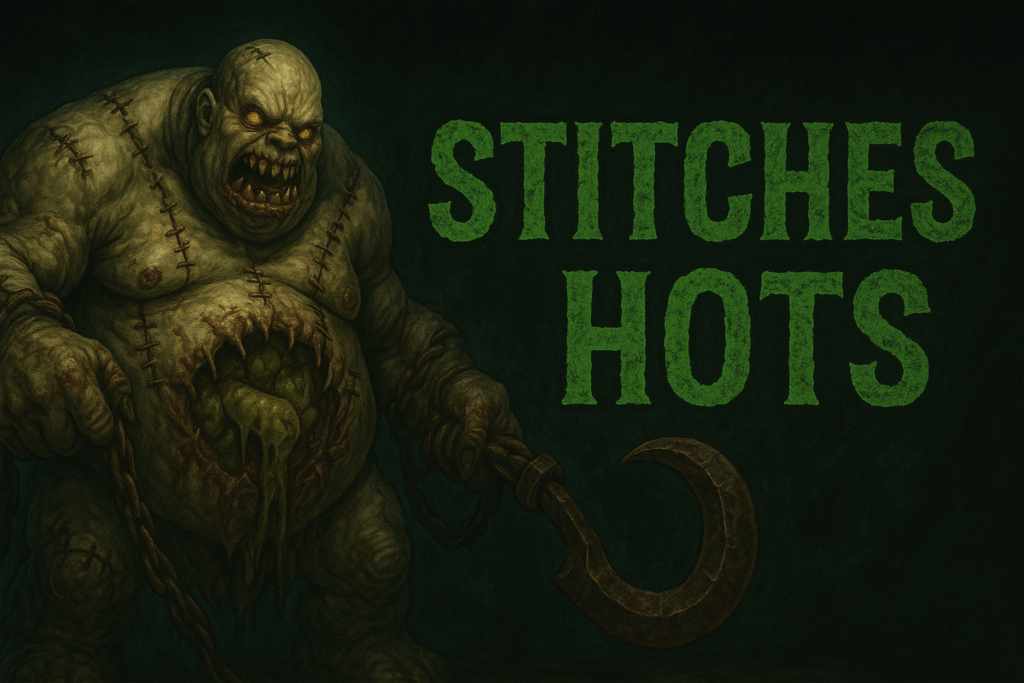
Hero Identity and Role Breakdown
Stitches is not a classic engage tank in the same way E.T.C. or Diablo are. He is slower, less explosive, and much more about threat than speed. When he is strong, the entire enemy team starts thinking about Hook before they think about anything else. That pressure alone changes rotations, objective setups, and the way backliners position in lane.
He is at his best when the map creates narrow paths, vision battles, or moments where one catch decides everything. He also scales well into patient teams that understand how to collapse once a target gets pulled. The weakness is obvious too. If your hooks are rushed or low value, Stitches can feel like a giant health bar with not enough impact. Good Stitches play is patient, deliberate, and very aware of what target actually matters.
Stitches Abilities Explained
Vile Gas (Trait) adds steady area damage just by existing near enemies. Hook (Q) is the reason people fear the hero, pulling one target into a very bad situation if you hit the right angle. Slam (W) gives waveclear and frontline damage. Devour (E) is your sustain button and one of the reasons Stitches can stay annoying for so long. Gorge creates pick potential and repositioning value, while Putrid Bile turns you into a moving zone control problem that is hard to kite or ignore.
How to Play Stitches (Step-by-Step)
- Start by deciding which enemy target is worth a real hook instead of throwing at the first body you see.
- Use bushes, fog, and choke points to make Hook harder to read.
- Hold Hook when enemy positioning is already bad, because the threat of it can be as useful as casting it.
- After a catch, walk forward and bodyblock instead of acting like your job is already done.
- Use Devour and your health pool to stay in the fight long enough to threaten the next big cooldown.
How to Play Stitches Effectively
The biggest trap on Stitches is feeling like every missed hook is time wasted. It is not. A lot of good Stitches play comes from making enemies stand badly because they are afraid of getting hooked, not from constantly throwing it on cooldown. If the enemy healer has to play two steps farther back all game, that is already value before the first hook even lands. When Stitches is played well, the whole enemy team starts moving like every corridor might be a trap.
In lane and around early objectives, focus on angles more than range. A medium-range hook from fog is usually better than a long-range hook the entire enemy team saw coming. Stitches also gets a lot of hidden value from simply occupying space. He is huge, hard to move, and naturally awkward to walk around. If you combine that with patient hook timing, you make fights much easier for your team to read. That alone wins more fights than blind fishing ever will.
Gorge is where your playmaking becomes very direct. It is not just for deleting a target. It is for pulling someone away from safety, dragging them into your team, or removing a key hero right as the fight starts. Putrid Bile plays a different game entirely. It gives you chase, peel, and area control, which makes it great when fights are messy and the enemy is hard to cleanly isolate. If you are newer to Stitches, keep the rule simple: do not throw hooks to feel busy. Throw hooks that make the next five seconds unwinnable for someone.
The beginner-friendly rule for Stitches is simple: stop trying to hit highlight hooks every twenty seconds. Aim for hooks that your team can actually punish. Mastering this mindset alone will already make you more impactful than most Stitches players.
Best Stitches Builds (Level 1 to 20)
Hungry for More at level 1, Playtime at level 4, Tenderizer at level 7, Gorge at level 10, Digestive Juices at level 13, Fishing Hook at level 16, and Cannibalize at level 20.
Gameplay Focus - Hook Pick Tank
This is the Stitches build most players think of first, and for good reason. It leans hard into pick creation, longer hook threat, and the kind of single-target punishment that can decide objectives before they really begin. If the enemy draft has one squishy hero your team wants to delete, this build makes every misstep feel lethal. This is the version of Stitches that turns normal map movement into a psychological problem.
The power here comes from consistency. Longer hook range, better follow-up, and stronger isolation all make your catches easier to convert. When you pair that with a team that can immediately collapse, Stitches stops feeling random and starts feeling oppressive. Fishing Hook in particular changes the whole texture of late-game positioning, because the enemy has to respect pick angles they cannot comfortably scout or out-space.
This is the build that wins fights before they become real fights. One good hook, one clean Gorge drag, and suddenly the enemy is trying to contest an objective without the hero they built the setup around. On maps with narrow chokes, shrine entrances, or boss corridors, it can feel brutal in exactly the way a great Stitches game should feel brutal.
In short, this build is best when one clean pick can decide the fight and your team has enough burst or coordination to punish every successful hook.
Alternative Stitches Build (Level 1 to 20)
Patchwork at level 1, Chop Chop at level 4, Lacerate at level 7, Putrid Bile at level 10, Pulverize at level 13, Meat Hook at level 16, and Potent Bile at level 20.
Gameplay Focus - Brawl and Space Control
This build is for games where Stitches needs to be less about one catch and more about being a constant frontline nuisance. Putrid Bile gives you chase, peel, and the ability to make objective areas miserable for the enemy team. It is the version of Stitches that turns every narrow path into something the enemy regrets walking through.
It works especially well in longer teamfights where your size, slows, and sustained presence matter more than one isolated play. You still care about Hook, but you care even more about making the battlefield feel cramped and ugly for the enemy. Patchwork, Chop Chop, and Pulverize all help turn Stitches from a single-catch specialist into a lumbering wall of disruption that simply refuses to stop touching the fight.
This is the build that wins fights by dragging them out until the enemy runs out of clean movement and clean target access. They try to kite, but Bile ruins the path. They try to disengage, but your body and slows make the retreat messy. If the opposing draft hates sustained frontline chaos, this path can feel suffocating.
In short, this build is best when fights last longer, the enemy is hard to cleanly pick, or you need more area control than single-target removal.
Real Match Situations
The enemy tank is front and center, but their healer keeps stepping into vision behind them. That healer is usually the real hook, not the giant body in front. Good Stitches players do not hook the easiest target. They hook the target that makes the whole enemy setup collapse.
You miss one important hook before an objective. A lot of Stitches players mentally leave the fight after that. Do not. Your body, slam damage, devour sustain, and threat still matter. The hero is not useless just because one cooldown missed.
The enemy dive gets onto your backline before you ever see a clean pick. Sometimes your best hook is defensive. Pulling a diver off your carry or bodyblocking an escape route can win the fight just as hard as a highlight catch.
One Thing to Know
Stitches is not really about hitting more hooks. He is about making the few that land matter more.
What Changes Through the Match
Early on, Stitches is about threat and punishing bad pathing. Mid game is where hook picks around camps and objectives start deciding the pace. Late game, every hook becomes much more expensive because one catch can end the match, but one wasted cooldown can also remove a lot of your pressure. The longer the game goes, the more important discipline becomes.
Advanced Tips
Hook where the enemy has to go, not where they are standing now. Predictive hooks are much stronger than reaction hooks once players start respecting your range. If you only throw at current positions, you are always one beat late. Good Stitches players read the panic path, not the current model.
Bodyblocking is part of your combo. A lot of Stitches value comes after the pull, not during it. Use your size. One well-placed bodyblock after hook or after Gorge often matters more than the damage rotation itself, because it keeps the victim in the exact bad space your team wants.
Gorge can reposition a target, not just remove one. Walking the target into your team or away from their support often matters more than the initial cast. The heroic gets much nastier once you stop seeing it as a pause button and start using it like forced relocation with a timer attached.
Do not autopilot Hook on tanks. Sometimes the enemy frontline is bait, and taking it only saves the backline from being pressured. Ask which hook actually breaks the enemy formation. That answer is often much more valuable than the easiest target in front of you.
Limitations
Stitches can feel incredible when the enemy gives him angles, but he absolutely has games where life gets awkward. He struggles when the enemy comp is very mobile, hard to punish after a hook, or happy to fight around his large body. He also depends more on team follow-up than some tanks do. If your team never collapses on good hooks, he can feel much less threatening than he should.
FAQ
Is Stitches good in solo queue? Yes, especially because picks are always valuable when players misposition. He feels best when your team can immediately understand what a good hook means.
When should I take Gorge over Putrid Bile? Take Gorge when one isolated target can decide the fight. Take Putrid Bile when you need longer control, chase, or peel.
Why do my hooks feel low impact even when they land? Usually because the target was not important enough or your team was too far away to punish it.
Should I always flank on Stitches? No. Sometimes standing visibly and controlling space is stronger than disappearing for a miracle angle.
What improves Stitches the fastest? Learning target priority. The right hook is worth far more than a difficult hook.
Related Guides
If you enjoy tanks that control enemy positioning, also check our Garrosh guide, E.T.C. guide, and Johanna guide.
Final Thoughts
Stitches is one of the most distinctive tanks in HOTS because he wins through pressure, patience, and one brutal mistake from the enemy team. If you master these fundamentals, Stitches becomes one of the most frustrating and impactful tanks in the game.